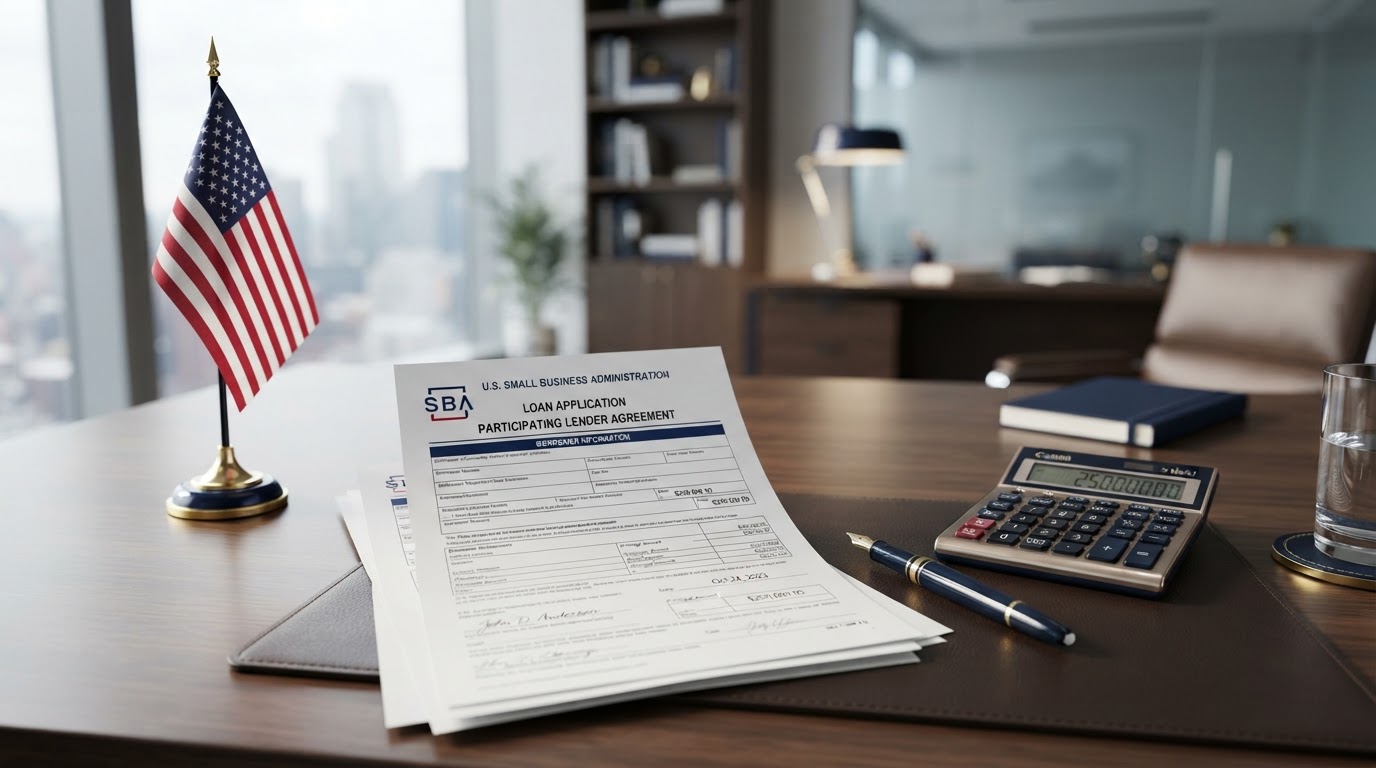
Almost every business needs equipment to operate, and almost no business wants to drain its cash reserves to buy it outright. That tension is why equipment leasing and equipment financing exist as two distinct paths to the same goal: getting the tools your business needs without paying the full price upfront. But while both approaches preserve working capital, they carry very different implications for ownership, cost, taxes, and flexibility. In this guide, Damon Boswell and Ashley Boswell break down the real differences between equipment leasing and equipment financing, when each makes sense, and how to choose the right structure for your business.
At ASAP Capital Solutions, we talk to contractors, manufacturers, medical practices, and restaurateurs every week who need equipment but are unsure whether to lease or finance it. Damon Boswell often explains that the decision is not about which option is cheaper per month. It is about how long you will use the equipment, what your tax position looks like, and whether ownership matters to your business. Ashley Boswell adds that the businesses that choose well are the ones that match the structure to the lifecycle of the asset, not the ones that simply pick the lowest payment.
The Core Difference: Ownership
At the most fundamental level, equipment leasing and equipment financing differ in ownership. With financing, you borrow funds to purchase the equipment, and you own it from day one, with the lender holding a security interest until the loan is paid off. With a true lease, the lessor retains ownership, and you pay for the right to use the equipment over a set term. Damon Boswell notes that this single distinction drives almost every other difference between the two options, from tax treatment to total cost to what happens at the end of the term.
Ashley Boswell explains that with financing, each payment builds equity in an asset that may carry meaningful resale value at the end of the term. With an operating lease, you return the equipment with nothing to show for it beyond the use you got out of it. That does not make leasing a bad choice. It makes it a different choice, suited to a different kind of need. Damon Boswell adds that some lease agreements include a purchase option at the end, but the default outcome of a true lease is that the lessor keeps the equipment.
Pro tip from Damon Boswell: Before you sign anything, ask one question: do I want to own this equipment at the end of the term? If the answer is yes, financing is almost always the better path. If the answer is no, or if you will upgrade before the term ends, leasing may fit better.
How Equipment Financing Works
Equipment financing is a loan or finance agreement used to purchase equipment, with the equipment itself typically serving as collateral. The business makes fixed payments over a set term, often 24 to 84 months, and owns the equipment outright once the balance is paid. Because the asset secures the financing, lenders can often be more flexible on credit and revenue requirements than they would be for an unsecured loan.
Damon Boswell notes that equipment financing is often accessible to businesses with credit scores starting around 580 to 620, because the resale value of the asset gives the lender a clear fallback. Ashley Boswell adds that financing commonly covers 80 to 100 percent of the equipment's value, which means the business can acquire the asset with little to no money down in many cases. The trade-off is that the business is responsible for maintenance, repairs, and the full lifecycle of the equipment, because it owns the asset.
How Equipment Leasing Works
Equipment leasing is an agreement in which the lessor purchases the equipment and the business pays to use it over a set term. At the end of the lease, the business typically returns the equipment, renews the lease, or in some cases purchases it at fair market value. Leasing generally comes with lower upfront costs and lower monthly payments than financing, because the business is paying for the use of the equipment rather than its full value.
Ashley Boswell explains that leasing can preserve working capital and smooth out the barriers to acquiring equipment, especially for newer businesses. Damon Boswell adds that many leases include maintenance or end-of-life management, which shifts the burden of repairs and disposal to the lessor. That can be a real advantage for technology or equipment that becomes obsolete quickly, because the business is not stuck owning an outdated asset at the end of the term.
Key takeaway from Ashley Boswell: Leasing is not the inferior option. It is the right option in specific situations, like short-term projects, rapidly changing technology, or businesses that want to keep debt off the balance sheet. Match the structure to how long the equipment will actually serve your business.
Comparing Costs: Monthly Payment vs. Total Cost
The most common mistake owners make is comparing leasing and financing based on monthly payment alone. Lease payments are typically lower because you are financing the use of the equipment, not its full value. But lower payments do not equal lower total cost. Damon Boswell is direct: when you calculate total cost of ownership over five to ten years, financing frequently comes out ahead for long-lifecycle equipment.
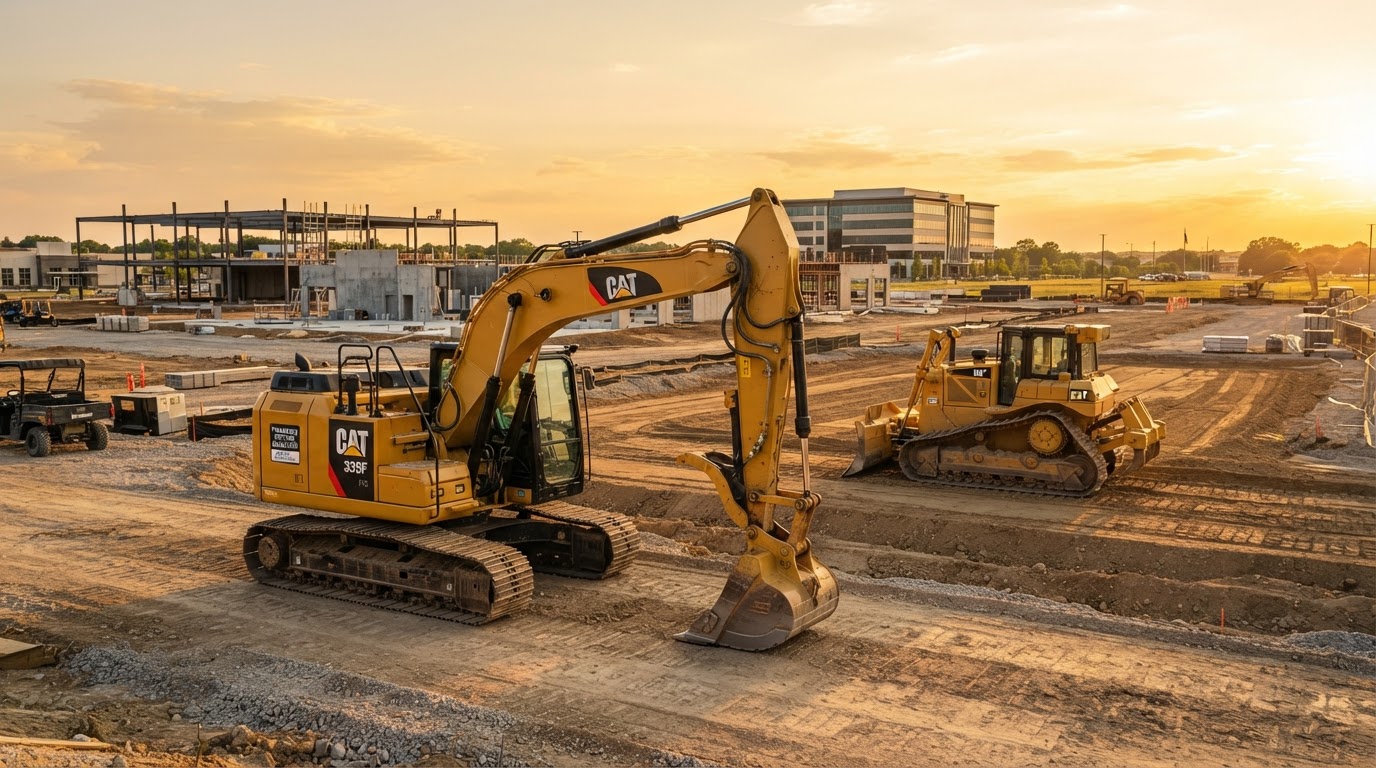
Ashley Boswell adds that with financing, each payment builds ownership in an asset that may carry meaningful resale value. A financed excavator that lasts fifteen years may still have resale value at the end of the loan, while a leased excavator returned at the end of the term leaves the business with nothing. The monthly payment is only one part of the math. The total cost, the residual value, and the tax treatment all have to be weighed together.
Tax Treatment: Section 179 and Bonus Depreciation
Tax treatment is where financing and leasing diverge most sharply, and it is the area most owners misunderstand. Damon Boswell walks through the key differences. With financing, the business owns the equipment, which means it may qualify for deductions like depreciation, Section 179 expensing, and bonus depreciation. For 2025, the Section 179 deduction limit is approximately $2,500,000 with a phase-out threshold around $4,000,000, and bonus depreciation has been restored to 100% for qualified property placed in service after January 19, 2025.
Ashley Boswell explains that these deductions can turn a multi-year capital expenditure into a significant first-year tax event. A profitable business in a 35% tax bracket financing $100,000 in equipment could potentially reduce its tax bill substantially in year one while spreading the actual loan payments over several years. With a true operating lease, the lease payments are usually treated as operating expenses and may be fully deductible in the year they are paid, which is simpler but does not build ownership.
Damon Boswell stresses that tax treatment depends on lease classification. Some leases may be reclassified for tax purposes, which could alter how expenses are recognized. Owners should always confirm the classification and the tax implications with their accountant before committing, because the structure that looks cheapest on paper may not be cheapest after taxes.
Pro tip from Damon Boswell: Profitable businesses with high taxable income and long equipment lifecycles almost always benefit more from financing, because Section 179 and bonus depreciation create the largest immediate tax impact. If your business is not yet profitable or you are conserving cash, leasing may be the better fit.
When Leasing Is the Smarter Move
Leasing is not the inferior option. It is the right option in specific situations. Damon Boswell and Ashley Boswell identify the scenarios where leasing typically wins. Technology and equipment that becomes obsolete within three to five years is a strong candidate for leasing, because the ability to return and upgrade at lease end avoids owning outdated assets. Startups conserving cash benefit from the lower upfront costs. Seasonal businesses with variable revenue benefit from the lower monthly payments. And businesses that want to keep debt off the balance sheet for lending or investor purposes may prefer an operating lease.
Ashley Boswell adds that leasing also shifts maintenance and end-of-life management to the lessor, which can be valuable for equipment that is expensive or complicated to maintain. If the equipment will remain essential and reliable for years, financing may be the better fit. If the equipment will be replaced before the term ends, leasing often makes more sense.
When Financing Wins
For most businesses acquiring long-life, revenue-generating equipment, financing is the stronger choice when total cost and tax impact are both factored in. Damon Boswell notes that heavy equipment, commercial trucks, medical equipment, and manufacturing machinery, assets with useful lives of seven to fifteen years or more, make strong financing candidates. Add Section 179 and bonus depreciation, and profitable businesses can offset a substantial portion of first-year cost through tax savings while building an owned asset on the balance sheet.
Ashley Boswell adds that financing also gives the business full control over the equipment, including the ability to modify, upgrade, or sell it without a lessor's approval. For a business that depends on a specific piece of equipment for years, ownership is often the more stable and cost-effective path. Damon Boswell adds that for businesses with strong equipment needs and imperfect credit, financing provides a path to ownership that repeated lease cycles do not.
Key takeaway from Ashley Boswell: If you will use the equipment for most of its useful life, financing usually wins on total cost. If you will replace it before the term ends, leasing usually wins on flexibility. The decision comes down to how long the asset will serve your business.
What Lenders and Funding Partners Review
Whether you lease or finance, reviewers evaluate a consistent set of factors. Based on current market standards, lenders commonly look at the business's monthly revenue and the consistency of bank deposits, time in business, personal credit profile, the cost and useful life of the equipment, and the resale value of the asset. Damon Boswell stresses that because the equipment secures the financing, the approval process is often faster and more flexible than an unsecured loan. Some equipment financing can be approved with application-only underwriting up to certain thresholds.
Ashley Boswell adds that lenders also weigh the type of equipment. Titled assets like trucks and heavy machinery often qualify for better terms because they have clear resale value and are easier to repossess if needed. Specialized equipment with a narrow resale market may qualify for less favorable terms, because the lender's fallback is weaker. The strength of the asset matters as much as the strength of the borrower.
How to Decide Which Option Fits Your Business
Start by asking three questions. How long will you use the equipment? What does your current taxable income look like? How much do you value flexibility versus ownership? Damon Boswell explains that the answer to these three questions points directly to the right structure. If you will use the equipment for most of its useful life and your business is profitable, financing usually wins. If you will upgrade before the term ends or you are conserving cash, leasing usually wins.
Ashley Boswell adds that owners should also consider the maintenance burden. If the equipment is expensive or complicated to maintain and you would rather hand that responsibility to a lessor, leasing may be worth the higher total cost. If you have the capacity to maintain the equipment yourself and want to build an owned asset, financing is the stronger path. There is rarely a single best option. There is the best fit for your specific situation.
Common Mistakes to Avoid
Damon Boswell and Ashley Boswell see the same mistakes repeatedly. Do not compare leasing and financing based on monthly payment alone, because total cost and tax treatment matter more. Do not finance equipment you will replace before the term ends, because you will still be paying for an asset you no longer use. Do not lease long-life equipment you intend to keep, because you will pay more over time and own nothing at the end. Do not ignore the tax implications, because Section 179 and bonus depreciation can fundamentally change the math. And do not assume the lowest upfront cost is always the best deal, because lower upfront costs often come with higher total costs.
Damon Boswell adds one more: do not forget to read the end-of-term options. A lease with a fair market value purchase option is very different from a lease that simply returns the equipment. Ashley Boswell explains that the businesses that choose well are the ones that read the full agreement, model the total cost, and match the structure to how the equipment will actually be used.
How This Connects to Your Funding Options
Equipment financing and leasing are two of several funding paths a business can explore through ASAP Capital Solutions. Others may include a business line of credit, a merchant cash advance, a small business loan, a secured business loan, invoice factoring, or a credit-based strategy like 0% credit card stacking for qualified applicants. None of these options are guaranteed, and all are subject to review, underwriting, documentation, credit profile, business revenue, and funding partner requirements. The right path depends on your revenue, your timeline, your credit profile, the equipment you need, and how long you plan to use it.
If you are a business owner wondering whether to lease or finance your next equipment purchase, the fastest place to start is the AI Funding Match Calculator. It takes under 60 seconds, and a funding specialist can review your profile and follow up by phone during your preferred call window. As Damon Boswell and Ashley Boswell always remind owners, the businesses that acquire equipment wisely are the ones that match the structure to the lifecycle of the asset, weigh the total cost and tax impact, and never let a low monthly payment override the real math.