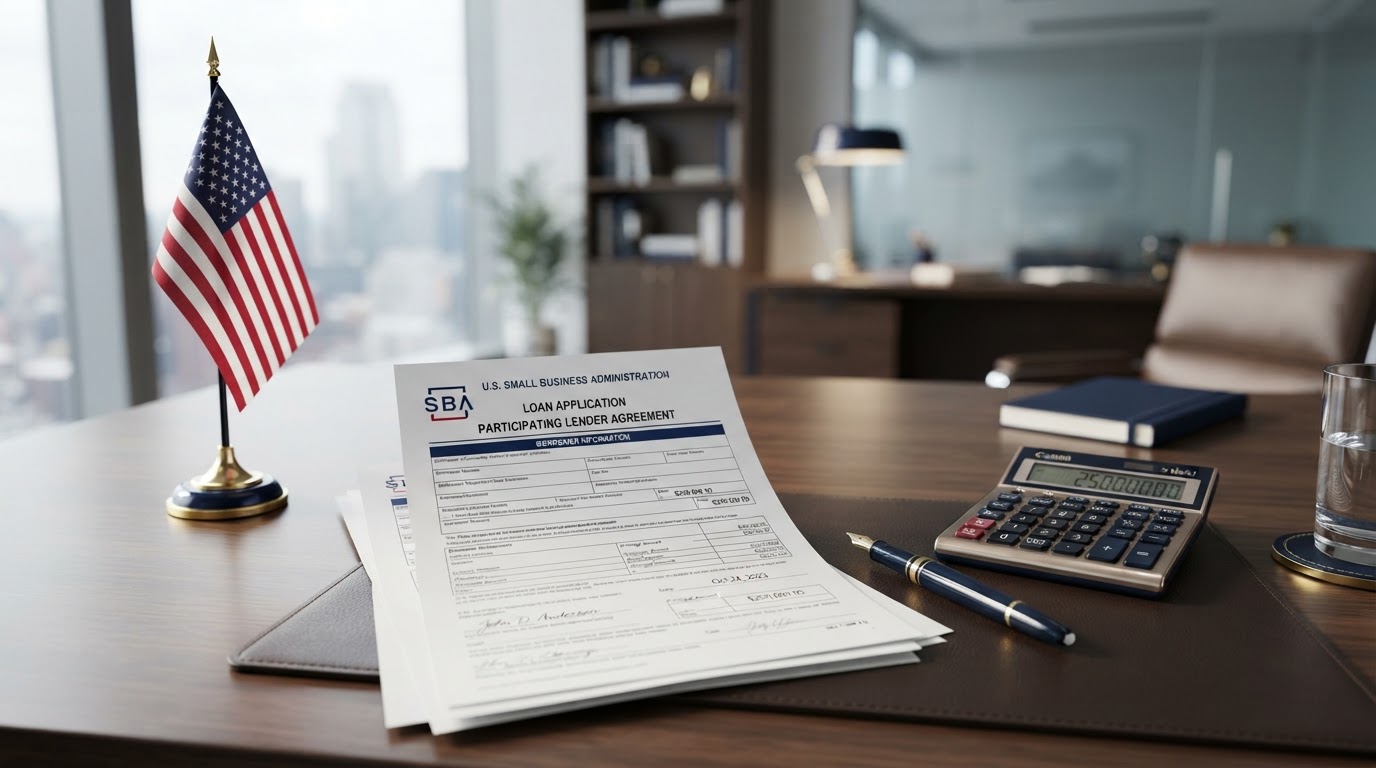

When most business owners think about funding, the first thing that comes to mind is a loan. But the term small business loan covers a surprisingly wide range of products, each with its own structure, requirements, costs, and timeline. In this guide, Ashley Boswell and Damon Boswell break down what a small business loan actually is, the main types available in 2026, what lenders look for, and how to prepare a file that gives your business the best chance of being reviewed favorably.
At ASAP Capital Solutions, we talk to owners every day who assume every loan works like a traditional bank term loan. Damon Boswell is quick to clarify that a small business loan is not a single product. It is a category that includes SBA-guaranteed loans, conventional bank term loans, alternative term loans, equipment financing, and more. Ashley Boswell adds that understanding the differences between these products is the first step toward choosing the one that actually fits your business, your timeline, and your repayment capacity.
What Is a Small Business Loan?
A small business loan is a funding product in which a lender provides a business with a lump sum of capital that is repaid over a set period, typically with interest, according to a fixed repayment schedule. Unlike a business line of credit, which is revolving and drawn as needed, a term loan gives you a single upfront amount that you repay in regular installments. Unlike a merchant cash advance, which is repaid through a portion of future sales, a term loan follows a structured amortization schedule with a defined term length and payment amount.
Ashley Boswell explains that the defining feature of a term loan is predictability. You know how much you receive, you know your payment amount, and you know when the loan will be paid off. Damon Boswell adds that this predictability makes term loans well suited for planned investments, such as equipment purchases, expansions, or working capital tied to a specific growth strategy, where you can map the return against the repayment schedule.
The Main Types of Small Business Loans
Small business loans fall into several broad categories. Understanding each one helps you identify which path may fit your business. Damon Boswell walks through the most common types owners encounter.
### SBA 7(a) Loans
The SBA 7(a) loan program is the Small Business Administration's primary business loan program. The SBA does not lend directly. Instead, it guarantees a portion of a loan issued by an approved lender, which reduces the lender's risk and can make it easier for small businesses to qualify. According to the SBA, 7(a) loans can go up to $5 million and can be used for working capital, equipment, inventory, real estate, business acquisition, and refinancing certain existing debt. Maturity terms generally run up to 10 years for most uses, or up to 25 years when financing real estate.
Ashley Boswell notes that SBA 7(a) loans often offer some of the most favorable terms available to small businesses, but they also involve a more rigorous application and underwriting process. The SBA's turnaround time for 7(a) Small loans, those $350,000 or less, is typically around 2 to 10 business days, but the full process from application to funding can take several weeks depending on the lender and the completeness of the file.
### SBA 504 Loans
The SBA 504 loan program provides long-term, fixed-rate financing for major fixed assets such as real estate and heavy equipment. These loans are delivered through Certified Development Companies and generally range from $25,000 to $5.5 million, with terms up to 25 years for real estate and 10 years for equipment. Damon Boswell explains that 504 loans are designed specifically for owner-occupied real estate and large equipment purchases, not for general working capital.
### SBA Microloans
The SBA Microloan program provides loans of $50,000 or less to help small businesses and certain nonprofit childcare centers with working capital, inventory, supplies, and equipment. These loans are issued through nonprofit intermediary lenders and have terms of no more than 6 years. Ashley Boswell notes that microloans can be a useful starting point for very small businesses or startups that need a modest amount of capital and may not yet qualify for larger loan programs.
### Conventional Bank Term Loans
Conventional term loans are issued directly by banks and credit unions without a government guarantee. Because the lender takes on the full risk, these loans typically require stronger credit, more time in business, and more documentation than SBA-backed options. Damon Boswell points out that conventional loans can sometimes fund faster than SBA loans because there is no government review process, but the qualification bar is often higher.
### Alternative and Online Term Loans
Alternative lenders and online platforms offer term loans with more flexible qualification requirements and faster funding timelines than traditional banks. The trade-off is that these loans often come with higher rates and shorter terms. Ashley Boswell explains that alternative term loans can be a fit for businesses that need capital quickly or that may not meet a bank's credit or time-in-business requirements. Damon Boswell adds that ASAP Capital Solutions helps business owners explore these alternative options alongside SBA and conventional paths, because the right fit depends on the full picture of the business.
Pro tip from Damon Boswell: Do not assume an SBA loan is always the best choice just because it has favorable terms. If your need is urgent or your file does not meet SBA requirements, an alternative term loan may get you funded faster. Match the product to your timeline and your profile.
What Lenders Look For
While every lender and program sets its own standards, the factors that most influence eligibility for a small business loan are fairly consistent. Based on current market standards and SBA guidelines, lenders commonly review the following.
Damon Boswell starts with credit profile. Traditional banks often look for a personal credit score of 680 or higher, while online and alternative lenders may consider scores starting around 600. Ashley Boswell adds that lenders also review business credit history, including payment patterns and any public records such as judgments, liens, or bankruptcies.
Time in business is another major factor. Banks frequently prefer businesses that have been operating for 2 years or more, while alternative lenders may work with businesses that have as little as 6 to 12 months of operating history. Annual revenue also plays a critical role. Banks often look for $100,000 or more in annual revenue, while online lenders may consider businesses generating around $50,000 to $100,000.
Ashley Boswell stresses that strong, consistent monthly deposits are one of the most persuasive signals a business can show a lender. Lenders want to see that the business generates enough cash flow to comfortably service the debt. Damon Boswell adds that lenders also review debt-to-income ratios, existing business obligations, bank balance history, and the intended use of funds.
Pro tip from Ashley Boswell: Before you apply, pull three to six months of business bank statements and review them the way a lender will. Look for consistent deposits, manageable balances, and any negative days you may need to explain. A clean, predictable bank history strengthens your file more than almost anything else.
SBA Loan Requirements in More Detail
For SBA-backed loans specifically, the SBA outlines general eligibility requirements. The business must operate for profit, be small under SBA size standards, be able to repay the loan, and have a sound business purpose. The business must also be legally organized as a sole proprietorship, corporation, partnership, or LLC. Even businesses with challenged credit may qualify for certain SBA programs, depending on the overall profile.
Damon Boswell notes that SBA 7(a) Small loans of $350,000 or less carry a maximum SBA guarantee of 85% for loans up to $150,000 and 75% for loans greater than $150,000. For SBA Express loans, which can go up to $500,000, the maximum guarantee is 50%. Ashley Boswell adds that collateral requirements vary. For SBA 7(a) loans of $50,000 or less, the SBA does not require collateral, while larger loans follow the lender's written collateral policies, though a loan is not to be declined solely on the basis of inadequate collateral.
How Interest Rates and Terms Work
Small business loan interest rates depend on the product, the lender, the borrower's credit profile, and market conditions. SBA 7(a) loan rates are negotiated between the borrower and the lender but are subject to SBA maximums, which are tied to the base rate plus a spread that varies by loan size. Conventional bank loans may offer fixed or variable rates, while alternative loans often carry higher rates that reflect the added risk and speed of funding.
Ashley Boswell explains that the repayment term directly affects your monthly payment and the total cost of the loan. A longer term lowers the monthly payment but increases the total interest paid over the life of the loan. A shorter term raises the monthly payment but reduces the total cost. Damon Boswell recommends matching the loan term to the useful life of whatever the funds are financing. Equipment loans, for example, should generally be repaid before the equipment needs to be replaced.
Common Use Cases for a Small Business Loan
Business owners use small business loans for a wide range of needs. Common uses include purchasing equipment or machinery, expanding to a new location, acquiring another business, refinancing existing debt at better terms, purchasing inventory in bulk, funding marketing and growth campaigns, hiring and payroll during expansion, upgrading technology or software, and covering working capital needs tied to a specific growth strategy.
Damon Boswell notes that the best use of a term loan is one where the return is clear and the repayment timeline aligns with the benefit. If you are buying equipment that increases capacity for years, a longer-term loan makes sense. If you are funding a marketing campaign that should pay off in months, a shorter-term option may be more appropriate. Ashley Boswell adds that using a long-term loan to cover a short-term cash flow gap can create unnecessary cost, because you end up paying interest over a longer period than the benefit lasts.
What a Small Business Loan Is Not
It is important to be clear about what a small business loan is not. It is not a guarantee of funding. It is not free money. And it is not a substitute for profitable operations. Damon Boswell reminds owners that a loan is leverage, and leverage works best when the underlying business is sound. If your business is consistently losing money, a loan will only delay the problem and add repayment pressure on top of it.
Ashley Boswell also notes that a small business loan is not the same as a business line of credit or a merchant cash advance. A term loan provides a lump sum with a fixed repayment schedule. A line of credit is revolving and drawn as needed. A merchant cash advance is repaid through a portion of future sales. Each product serves a different need, and understanding the difference matters when choosing a funding path.
How to Prepare a Strong Loan File
Before applying for a small business loan, Ashley Boswell and Damon Boswell recommend gathering the following. Pull your personal and business credit reports and address any errors. Prepare three to six months of business bank statements. Organize financial statements such as profit and loss reports and balance sheets. Confirm your time in business and annual revenue. Prepare a clear statement of how the funds will be used and how the return will cover the repayment. Identify any collateral you may be able to pledge. And understand whether a personal guarantee will be required.
Damon Boswell is especially firm on one point: be honest and complete in your application. Lenders uncover inconsistencies, and a file that does not match the bank statements or credit report can derail an otherwise strong request. Ashley Boswell adds that a clear, documented use of funds strengthens your file, because it shows the lender that you have a plan and that the capital will be put to productive use.
Key takeaway from Ashley Boswell: The strongest loan files tell a consistent story. Your credit report, your bank statements, your financial statements, and your use of funds should all reinforce the same picture of a stable, growing business.
Small Business Loans vs. Other Funding Options
A small business loan is one of several funding paths a business can explore. A business line of credit offers revolving access to capital with interest charged only on what you draw, which can be more cost-effective for intermittent needs. A merchant cash advance provides fast capital repaid through a portion of future sales, which can be faster but more expensive. Invoice factoring turns unpaid customer invoices into working capital, which can be a better fit for B2B businesses waiting on receivables. A secured business loan can access larger amounts using collateral. And 0% credit card stacking may help qualified applicants with strong credit access promotional-rate credit lines.
Ashley Boswell notes that none of these options are guaranteed, and all are subject to review, underwriting, documentation, credit profile, business revenue, and funding partner requirements. Damon Boswell adds that the right choice depends on your revenue, your timeline, your credit profile, and how you plan to use the funds. A term loan offers predictability and can be cost-effective for planned investments, but it is not always the fastest option, and it is not always the right one.
How to Decide If a Small Business Loan Fits Your Business
Start by asking yourself a few honest questions. Do you have a clear, planned use for the funds? Can your business comfortably service the monthly payment? Is your credit profile and time in business aligned with the product you are considering? Have you gathered the documentation a lender will want to see? If your answers point to a planned investment with a clear return and a realistic repayment plan, a small business loan may be worth exploring.
Damon Boswell suggests owners compare the cost of the loan against the return it will generate. If the loan lets you buy equipment that increases revenue for years, expand to a profitable new location, or refinance expensive debt at a lower rate, the cost may be justified. If the loan simply covers ongoing losses with no plan for increasing revenue, it will make things worse. Ashley Boswell adds that the decision should always include a realistic repayment plan, because accepting a loan without one is how businesses get overextended.
How This Connects to Your Funding Options
A small business loan is just one of several funding paths a business can explore through ASAP Capital Solutions. Others may include a business line of credit, a merchant cash advance, invoice factoring, a secured business loan, or a credit-based strategy like 0% credit card stacking for qualified applicants. None of these options are guaranteed, and all are subject to review, underwriting, documentation, credit profile, business revenue, and funding partner requirements. The right path depends on your revenue, your timeline, your credit profile, and how you plan to use the funds.
If you are not sure which option fits your business, the fastest place to start is the AI Funding Match Calculator. It takes under 60 seconds, and a funding specialist can review your profile and follow up by phone during your preferred call window. As Ashley Boswell and Damon Boswell always remind owners, the businesses that get the best results are the ones that understand their options, prepare a clean file, and match the right funding tool to the right goal.