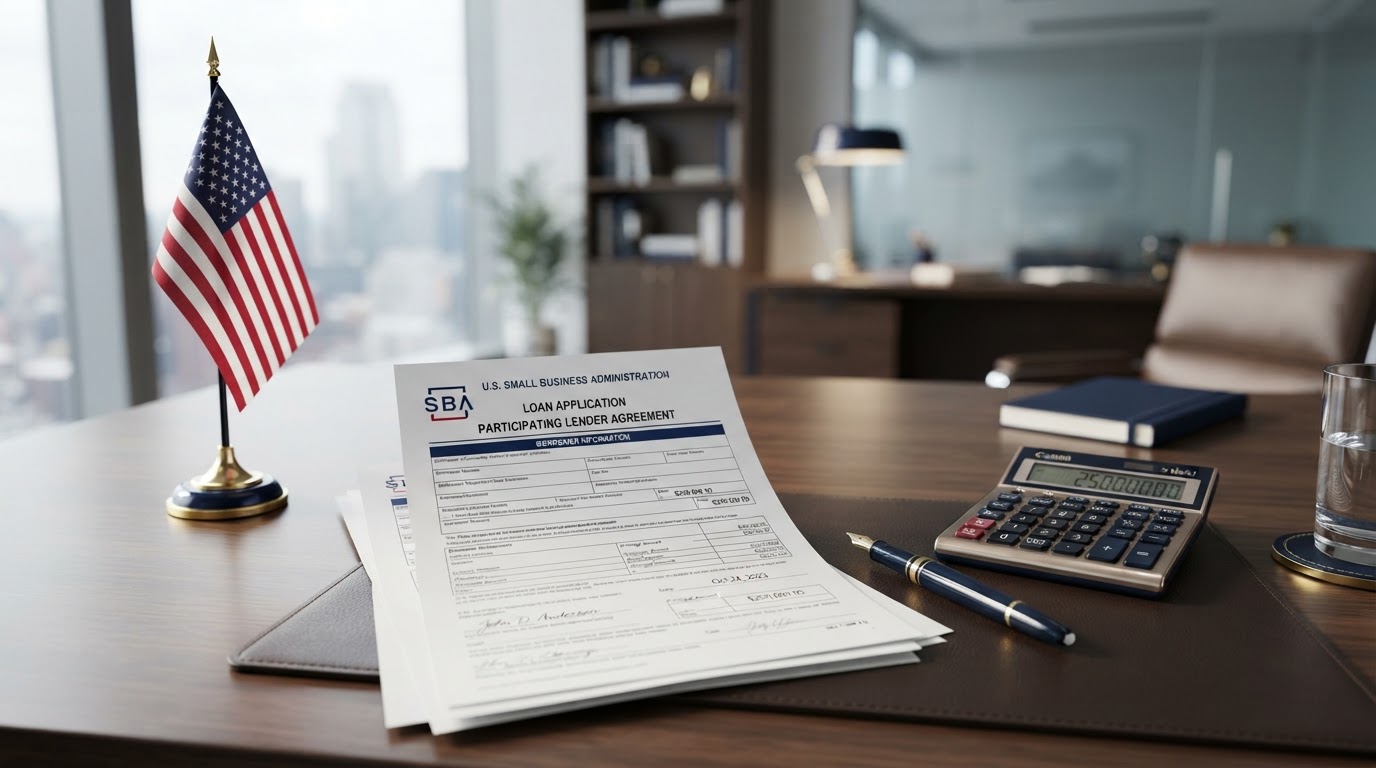

When a business needs a larger amount of capital, an unsecured loan or line of credit is not always enough. That is where a secured business loan can come into play. By pledging eligible collateral, a business may be able to access larger funding amounts, longer terms, or more flexible qualification than an unsecured option would allow. In this guide, Ashley Boswell and Damon Boswell explain how secured business loans work, what types of collateral lenders commonly accept, and what every owner should review before pledging assets.
At ASAP Capital Solutions, we regularly work with owners who have valuable business assets but are not sure how to put them to work. Damon Boswell often explains that a secured loan is not about giving up your assets. It is about using the value of those assets to demonstrate to a lender that the funding request is backed by something tangible. Ashley Boswell adds that collateral reduces the lender's risk, which is why it can open doors that unsecured funding cannot.
What Is a Secured Business Loan?
A secured business loan is a funding product that is backed by collateral, meaning the borrower pledges an asset that the lender can claim if the loan is not repaid according to the agreed terms. Because the lender has a claim on a specific asset, a secured loan often carries less risk for the lender than an unsecured loan, which can translate into larger loan amounts, longer repayment terms, or more accommodating qualification criteria for certain borrowers.
Ashley Boswell is careful to point out that collateral does not guarantee approval. It is one factor among many. Lenders still review business revenue, cash flow, time in business, credit profile, public records, and existing obligations. Damon Boswell adds that collateral can strengthen a file, particularly for businesses requesting larger amounts or those whose credit profile may need additional support.
Types of Collateral Lenders Commonly Accept
Collateral can take many forms, and what a given funding partner accepts will vary. Based on current market practices, the most commonly accepted types of collateral include real estate owned by the business, including commercial property, land, and office buildings; equipment and machinery used in business operations; vehicles and fleet assets; inventory, particularly for retail and wholesale businesses; unpaid customer invoices, which can also support invoice financing; cash held in business bank accounts; and investments such as stocks or bonds.
Damon Boswell notes that lenders generally prefer collateral that is liquid, meaning it can be converted to cash relatively easily. Cash and savings accounts are the most liquid, followed by investments and accounts receivable. Real estate and specialized equipment are less liquid, which is why lenders often apply a discount to their appraised value when calculating how much funding they will support. Ashley Boswell adds that lenders commonly look for collateral coverage of roughly 100% to 125% of the loan amount, meaning a $100,000 loan may require $100,000 to $125,000 in collateral value.
Pro tip from Damon Boswell: Ask the lender exactly how they value your collateral. An asset you think is worth $200,000 may be valued at far less by a lender who applies a conservative discount.
Secured vs. Unsecured Business Loans
The core difference between a secured and an unsecured business loan is the presence of collateral. An unsecured loan does not require a specific asset to back the funding, so the lender relies more heavily on credit profile, revenue, and time in business. Because the lender takes on more risk, unsecured loans often come with higher rates, shorter terms, and lower maximum amounts.
Ashley Boswell explains that secured loans can allow for longer repayment terms because the collateral gives the lender more confidence over a longer horizon. Damon Boswell adds that secured loans may also be available to businesses that might not qualify for unsecured funding, particularly newer companies or owners with lower personal credit scores, because the collateral offsets some of the perceived risk.
Who a Secured Business Loan Tends To Fit Best
Secured business loans are often considered by businesses with larger capital needs or valuable assets they can pledge. This includes medical and dental practices purchasing expensive diagnostic equipment, construction companies acquiring heavy machinery, manufacturing firms investing in production lines, automotive businesses expanding their fleet, restaurants renovating or expanding a location, and retail businesses building out a new store.
Damon Boswell notes that secured loans can also make sense for businesses planning expansions, mergers, or acquisitions where the funding need is substantial and long-term. Ashley Boswell adds that secured funding is not limited to one industry. Any business with eligible collateral and a clear plan for the capital can explore whether a secured loan fits.
How a Secured Business Loan Works
The process generally begins with an application in which the business provides details about the funding request, the intended use of funds, business financials, and the collateral being offered. The lender or funding partner then reviews the application, evaluates the credit profile and business financials, and appraises or verifies the value of the collateral. If approved, the loan is disbursed and the collateral is formally pledged, often through a lien or security agreement that gives the lender a legal claim to the asset until the loan is repaid.
Ashley Boswell stresses that the lien or security agreement is a serious legal commitment. It means that if the business defaults, the lender has the right to seize and sell the pledged asset to recover the outstanding balance. Damon Boswell adds that some agreements also include a blanket lien, which gives the lender a claim over all business assets rather than a single specific asset. Owners should understand exactly what they are pledging before signing.
Typical Qualification Requirements
While requirements vary by lender and loan type, secured business loans commonly consider the type and value of collateral, an appraisal or valuation of the pledged asset, business revenue and cash flow, time in operation, credit profile of the business and owners, public records such as judgments or bankruptcies, existing business obligations, and documentation such as bank statements, financial statements, and tax records.
Damon Boswell points out that because collateral reduces lender risk, the credit and revenue requirements for a secured loan can sometimes be more flexible than for an unsecured loan. However, this is not a guarantee. Ashley Boswell adds that lenders still want to see that the business generates enough cash flow to comfortably service the debt, because no lender wants to rely on seizing collateral as their primary path to repayment.
Common Use Cases for a Secured Business Loan
Business owners use secured loans for a wide range of substantial needs. Common uses include purchasing major equipment or machinery, acquiring or expanding a commercial property, financing a business expansion or new location, funding a merger or acquisition, purchasing large quantities of inventory, upgrading technology or production capabilities, and covering long-term working capital needs tied to a growth strategy.
Ashley Boswell notes that because secured loans often offer longer terms, they can be a good fit for investments that generate returns over time, such as equipment that increases capacity or a new location that builds revenue over several years. Damon Boswell adds that owners should match the loan term to the useful life of the asset whenever possible, so the asset is still producing value while the loan is being repaid.
What to Review Before You Pledge Collateral
Before moving forward with a secured business loan, Ashley Boswell and Damon Boswell recommend reviewing the type and value of the collateral you plan to pledge, whether a formal appraisal is required, the loan-to-value ratio the lender is offering, the interest rate and whether it is fixed or variable, the repayment term and monthly payment amount, any prepayment penalties, whether a personal guarantee is required in addition to the collateral, and exactly what happens if the business cannot repay the loan.
Damon Boswell is especially firm on one point: never pledge an asset you cannot afford to lose. If the business defaults, the lender can claim the collateral, and that can mean losing equipment, property, or other critical assets. Ashley Boswell adds that owners should also confirm whether the collateral is a specific asset or a blanket lien over all business assets, because that distinction affects what is at risk.
Key takeaway from Ashley Boswell: A secured loan can be a powerful tool for accessing larger capital, but it comes with real responsibility. Pledge assets only when you have a clear, realistic plan to repay.
How This Connects to Your Funding Options
A secured business loan is one of several funding paths a business can explore. Others may include a business line of credit, a merchant cash advance, a small business loan, invoice factoring, or a credit-based strategy like 0% credit card stacking for qualified applicants. None of these options are guaranteed, and all are subject to review, underwriting, documentation, credit profile, business revenue, collateral review, and funding partner requirements. The right path depends on your revenue, your timeline, your credit profile, your available collateral, and how you plan to use the funds.
If you are not sure which option fits your business, the fastest place to start is the AI Funding Match Calculator. It takes under 60 seconds, and a funding specialist can review your profile and follow up by phone during your preferred call window. As Ashley Boswell and Damon Boswell always remind owners, the businesses that get the best results are the ones that understand their options, protect their assets, and match the right funding tool to the right goal.